

BLOG
How agriculture shapes careers and dreams
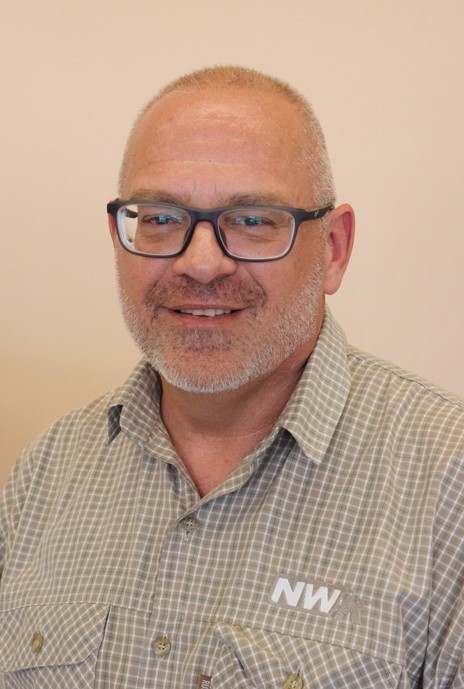
When I started my career at NWK in 2003 and thus entered the agricultural industry, I did not expect to fall in love with it. My professional roots were in manufacturing, consulting and training, which are far removed from grain handling and storage, retail, mechanisation, and all the processing plants of NWK.
Agriculture was never on my planned career map. Yet today, I stand fully committed to it, grateful for the unexpected path that has shaped my career and my purpose. The agricultural sector has a quiet strength; it does not demand attention – it commands respect. It is an industry built on resilience, grit, and an unwavering responsibility to feed nations.
The heart of agriculture
My journey began with an opportunity to improve processes and implement modern human capital systems. What I discovered was an industry rich with potential, deeply dependent on its people, yet often underestimated in both complexity and professionalism. While systems are important, people are the heart of agriculture. From silo operations to logistics, from research to engineering, from finance to frontline service teams, every individual plays a pivotal role in sustaining food security across Southern Africa. That realisation fundamentally reshaped my understanding of leadership.
Still, we face a challenge: the perception of agriculture as an outdated or limited career field. Too many young professionals overlook this sector, imagining it to be slow, unchanging, or lacking in opportunities. But the opposite is true. I have seen innovation driven by necessity, digital transformation in action, and leadership courage in times of severe drought and economic pressure. Agriculture is not behind but is evolving faster than many other industries.
Recognition has followed this evolution. I was deeply honoured to be nominated for Chief Human Resources Officer (CHRO) of the Year 2025, as well as one of Africa’s Top 25 Human Resources (HR) Professionals by Workforce Africa. NWK was also recognised as one of South Africa’s Top Employers in 2025, which is a milestone that demonstrates the calibre of HR and leadership practices emerging from the agricultural sector. These acknowledgements signal something important: Agriculture can compete with any industry when it comes to strategy, talent development, innovation, and organisational excellence.
Recognition, however, is not enough. The future of this industry depends on mentorship, coaching, and multi- generational synergy. Our workforce now spans five generations, each shaped by different histories, technologies, expectations, and life experiences. As I shared in my recent Grain Handling Organisation of Southern Africa (GOSA) address, we must never forget that while we may be using the term ‘human capital’, we are still working with human beings. Each person has their own story, pressures, and dreams. Effective leadership requires us to honour that humanity.
Adaptive leadership
We must be adaptable to lead well in this environment. Leadership cannot be rigid or one-dimensional. We need to manage individuals, not groups. We must understand that the same leadership style will not inspire everyone. Younger generations seek purpose, rapid growth and autonomy, whereas older generations bring mastery, stability, and contextual knowledge. Mentorship becomes the bridge between these worlds – passing on experience while welcoming innovation. Coaching unlocks capacity and strengthens resilience. Combined, they create a culture where talent thrives rather than survives.
The agricultural industry has a unique opportunity to reposition itself as an employer of choice. Not by reinventing who we are, but by reflecting more intentionally on what already makes us extraordinary:
• A strong sense of community and contribution.
• Depth of technical expertise not found elsewhere.
• A culture of loyalty, accountability, and shared purpose.
• Resilience in facing market, climate, and regulatory pressures.
• A commitment to feeding and sustaining the nation.
I entered this industry unexpectedly. I remain in it wholeheartedly. My hope is that through intentional leadership, structured mentorship and meaningful coaching, we will cultivate a future where our people feel valued, supported, and inspired to build lifelong careers in this sector.
Agriculture feeds nations, but with the right leadership it can also feed the dreams and potential of the people who serve it.
By Dennis Coetzee, group executive of human capital, NWK
0 COMMENTS
LEAVE A COMMENT