

BLOG
Growing people, not just grain: The new face of silo management in South Africa
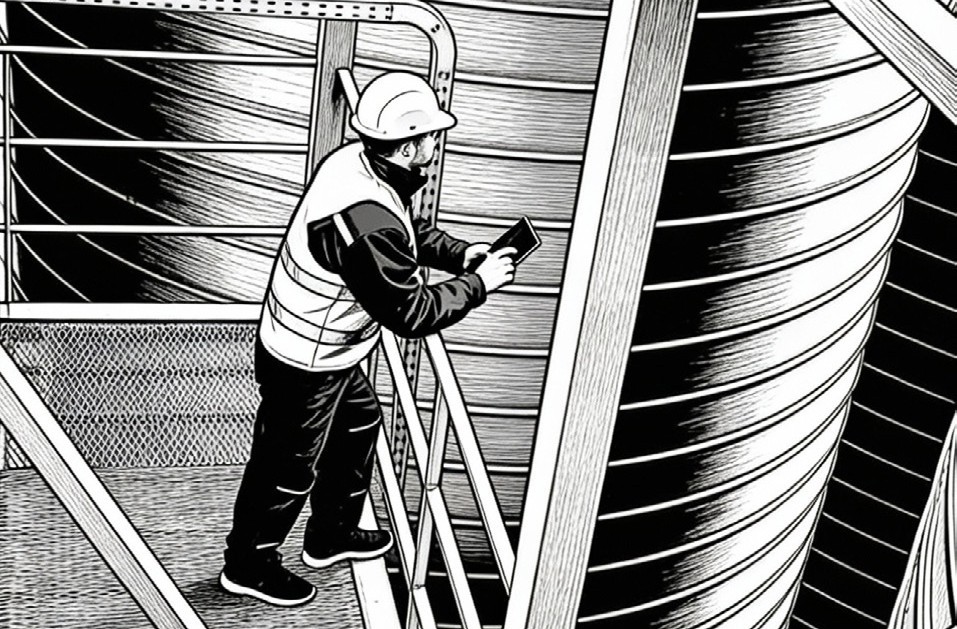
Finding the right person to manage a silo in South Africa is no small task. The ideal candidate must possess the right technical qualifications, personality, leadership ability, and the desire to build a long-term career in an industry that is not exactly the first choice for many young people. And as the role changes, the challenge grows.
“In silo management, we don’t just store grain – we grow people. What if the future of our silos has less to do with the grain we store and more to do with the people we grow?” This is the question Dennis Coetzee, group executive of human capital at NWK, posed in his keynote address at a workshop of the Grain Handling Organisation of Southern Africa (GOSA) last year.
Coetzee pointed out that the silo industry faces plenty of operational and logistical challenges; however, the one that often slips under the radar is the people side of the business.
“We have a talent pipeline that’s leaking at both ends,” he explains. Young people seldom view silo management as a career of choice, while senior silo managers – with decades of practical knowledge under their belt – are stretched so thin that they struggle to mentor the next generation. And when they retire, their expertise retires with them.
A four-generation workplace Like most industries today, silos are staffed by four different generations working side by side, each with their own expectations, values, and work styles.
Coetzee explains: “You have the Baby Boomers who are loyal, structured and experienced. They value respect for their years of experience. Then you have Generation X who are independent, pragmatic and want efficiency and balance. The Millennials are collaborative and purpose driven. They need feedback and meaning. And then there is Generation Z who is digital, ambitious and mentorship hungry, who want growth now.
“So, what is the leadership challenge? We cannot manage everyone in the same way. What inspires one generation may frustrate another.” The key, he believes, is learning each generation’s ‘language’ and turning potential tension into teamwork.
Why silo managers still matter According to Coetzee, silo managers are far more than grain custodians. They safeguard the nation’s harvest. They are the face of their organisations in farming communities. They build trust with producers. And they keep the wheels of the agricultural value chain turning.
Yes, their job description includes measuring moisture, tonnage, and compliance, but how often do they measure mentorship, and employee development and engagement? “The risk,” Coetzee warns, “is that some silo managers spend their entire career creating the perfect silo, but no one else is ready to lead it tomorrow.”
A strong silo manager means a strong agricultural sector. The following is a summary of their core responsibilities:
• Custodians of food security.
• Link between producers and markets.
• Operational backbone of every grain flow.
• Risk managers, community anchors, and mentors.
Skills and leadership styles
The silo manager of the future wears many hats. He or she must be technically proficient, with strong expertise in grain handling, fumigation, and regulatory compliance. Silo managers are people leaders who can coach, motivate, and guide their teams. They are also teachers who turn everyday work into learning opportunities. As effective communicators, they deliver messages that are clear, honest, and consistent across all levels of the organisation. Importantly, they are strategic thinkers who understand the broader agricultural ecosystem beyond the silo gates.
“There is no single right way to lead,” says Coetzee. “Some lead through structure, others through inspiration. Some are task-driven, others are people-driven. But the best leaders are adaptive.”
His philosophy is simple: Don’t lead people where you want them to be – lead them where they are. That is how trust, growth, and performance are unlocked.
The four leadership styles every manager should master:
• Directing: New, inexperienced but enthusiastic employees need clear instructions and close supervision.
• Coaching: Employees who are developing skills still require guidance and motivation.
• Supporting: Capable but uncertain employees benefit from less direction and more encouragement.
• Delegating: Skilled and motivated employees should be trusted, empowered, and held accountable.
Situational leadership, he adds, is not about control but connection.
Building the next generation Coetzee encourages managers not to treat people as ‘average’, but to understand them as individuals. “People are not difficult; they are different. Leadership becomes powerful when you stop managing average and start managing individuals.”
He suggests the following framework:
• Personality: Some people need structure, while others thrive on independence. Adjust your approach to give everyone the space they need to perform at their best.
• Expectations: Everyone works towards a better future, and for many, a job is a stepping stone towards that goal. Align their current role with what they hope to achieve.
• Capability: The ability to do the job well is essential for growth.
Help employees build confidence through coaching and assignments.
• Discipline and development: Balance fairness with accountability.
So, how do we build a sustainable pipeline of future leaders? Coetzee believes mentorship should rest on four pillars:
• Exposure: Give junior employees insight into why certain standards and procedures exist. Let them observe processes and decision-making to understand the reasoning behind them.
• Experience: Experience takes time, but it cannot be gained without practice. Provide small, meaningful tasks that allow them to learn by doing.
• Engagement: Mentorship is a powerful tool for developing new managers. Pair employees with mentors and involve them in meetings and discussions.
• Empowerment: Strong performance comes when people believe in the organisation’s vision or the project’s outcome. Empower employees by allowing them to lead projects and take ownership.
A demanding but rewarding career
Being a silo manager – and a leader to employees, producers, and agents – is not easy. However, when approached with purpose, understanding, and a genuine commitment to developing people, it becomes an exciting and deeply fulfilling career.
By Koos du Pisanie, Plaas Media
0 COMMENTS
LEAVE A COMMENT